

Pollinator Gardens for North Carolina Homes – Plants, Placement and Care
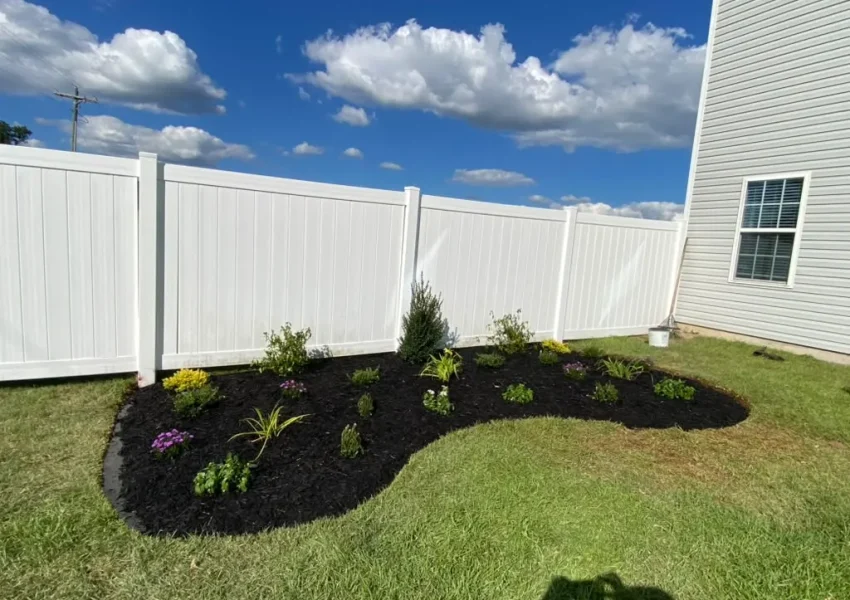
A pollinator garden adds color, movement, and life to your yard while supporting the bees, butterflies, and hummingbirds that keep local ecosystems healthy. In Wayne County, North Carolina, where warm summers and a long growing season suit a wide range of flowering plants, it’s easier than most homeowners expect to create a garden that looks great and works hard.
At Green Paradise Landscaping & Tree Service, we help Wayne County homeowners design landscapes that are beautiful, practical, and good for the environment. Here is how to choose the right plants, place them well, and keep your pollinator garden thriving.
Best Plants for a Pollinator Garden in North Carolina
The most successful pollinator gardens combine plants that bloom at different times, so something is always in flower from spring through fall.
- Butterfly Weed – Bright orange blooms that draw monarchs and other butterflies
- Bee Balm – Showy flowers loved by bees and hummingbirds
- Joe Pye Weed – Tall, late-summer blooms that attract butterflies in large numbers
- Mountain Mint – A tough, fragrant perennial that bees visit constantly
- Blazing Star – Purple flower spikes that bloom in mid to late summer
- Goldenrod and Asters – Fall bloomers that feed pollinators before winter
Choosing native varieties whenever possible keeps maintenance low, because these plants are already adapted to Wayne County’s soil, heat, and rainfall.
Where to Place Your Pollinator Garden
Location has a big effect on how well your plants grow and how many pollinators visit. A few placement basics make a noticeable difference.
- Choose a spot with at least six hours of direct sun each day
- Plant in groups of three or more of the same variety so pollinators can find them easily
- Place taller plants toward the back or center and shorter ones along the edges
- Keep the garden near a water source, even a shallow dish with stones
- Position beds away from heavy foot traffic and areas treated with chemicals
Pollinator beds also work well along fences, around patios, and in sunny front yard borders, adding curb appeal while serving a purpose.
Caring for Your Pollinator Garden Year-Round
Pollinator gardens are lower maintenance than traditional flower beds, but a little seasonal attention keeps them healthy and blooming.
- Spring – Cut back old stems, add fresh mulch, and plant new perennials once the frost risk has passed
- Summer – Water deeply during dry spells and remove spent blooms to encourage more flowers
- Fall – Leave some seed heads standing for birds and beneficial insects
- Winter – Skip heavy cleanup, since hollow stems and leaf litter shelter overwintering pollinators
Avoid pesticides and heavy chemical treatments, which can harm the very insects you are trying to attract.
Pollinator Garden Design Ideas for Wayne County Homes
You don’t need a large yard to make a difference. Even a small, well-planned space can support a surprising number of pollinators.
- A curved border bed along the front walkway
- A cottage-style garden beside a fence or patio
- Raised beds or large containers for small yards
- A mixed bed that combines flowers, native grasses, and shrubs for year-round structure
Professional design helps tie these elements together so the garden looks intentional and polished, not scattered.
Start Your Pollinator Garden With Green Paradise Landscaping & Tree Service
Ready to bring more color and life to your property? Green Paradise Landscaping & Tree Service designs and installs landscapes for homeowners throughout Wayne County, NC, including Goldsboro, Mount Olive, Pikeville, and Fremont. Contact us today for a free estimate and let us help you create a garden that blooms for seasons to come.
📞 Call us: (919) 252-0978 | (919) 221-8324
📧 Email: info@gplandscapingtreeservice.com
🌐 Website: www.gplandscapingtreeservice.com

Our Services:

What else offering
- We value your time and investment
- We offer free estimates
- Timely response guarantee
- Hight quality equipment