

Common Lawn Problems and How to Prevent Them
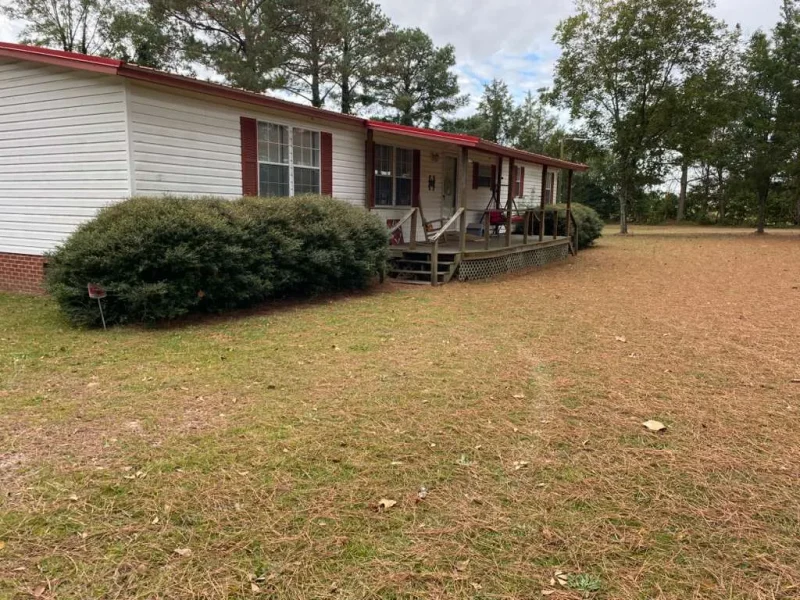
A healthy, green lawn can instantly improve the appearance of any property. However, many homeowners struggle with common lawn problems that can leave grass looking patchy, dry, or unhealthy. Understanding the causes of these issues and learning how to prevent them can help keep your yard in excellent condition throughout the year.
In this guide, we’ll cover some of the most common lawn problems homeowners face and provide helpful tips to maintain a lush and healthy lawn.
Brown Patches in the Lawn
Brown patches are one of the most common lawn issues. These dry, discolored areas can appear for several reasons, including fungal diseases, pet damage, overwatering, underwatering, or compacted soil.
How to Prevent Brown Patches
- Water your lawn deeply but avoid excessive watering.
- Improve soil drainage to prevent moisture buildup.
- Avoid mowing grass too short.
- Remove pet waste promptly.
- Schedule regular lawn fertilization and maintenance.
Professional lawn care services can help identify the exact cause of brown spots and recommend the right treatment.
Weed Growth
Weeds compete with grass for sunlight, water, and nutrients. If left untreated, they can quickly spread and damage the appearance of your lawn.
Common Lawn Weeds
- Dandelions
- Crabgrass
- Clover
- Nutsedge
How to Prevent Weeds
- Keep your grass thick and healthy.
- Apply pre-emergent weed treatments during the growing season.
- Mow regularly at the proper height.
- Fertilize your lawn consistently.
- Water evenly to encourage strong root growth.
Routine lawn maintenance is one of the best ways to reduce weed problems naturally.
Thin or Patchy Grass
Thin grass can make a yard look unhealthy and unattractive. This issue is often caused by poor soil quality, heavy foot traffic, lack of nutrients, or improper watering.
How to Prevent Thin Grass
- Aerate the soil to improve airflow and nutrient absorption.
- Overseed bare areas to encourage new growth.
- Limit excessive foot traffic on damaged areas.
- Use high-quality fertilizer to strengthen the lawn.
- Water consistently, especially during hot weather.
A professional lawn care company can help restore patchy lawns with proper treatments and maintenance plans.
Lawn Fungus and Disease
Excess moisture and poor air circulation can lead to lawn fungus and disease. Homeowners may notice yellow spots, mold-like growth, or thinning grass.
Common Signs of Lawn Disease
- Circular brown or yellow patches
- Mushy or slimy grass
- White or gray fungal growth
- Rapid discoloration
How to Prevent Lawn Disease
- Water early in the morning to allow grass to dry during the day.
- Avoid overwatering.
- Keep mower blades sharp.
- Remove excess thatch buildup.
- Improve drainage in problem areas.
Proper lawn maintenance can significantly reduce the risk of fungal problems.
Soil Compaction
Compacted soil prevents water, oxygen, and nutrients from reaching grass roots. This can result in weak, unhealthy grass growth.
Signs of Soil Compaction
- Water pooling on the surface
- Hard soil
- Thin grass growth
- Difficulty inserting a shovel into the ground
How to Prevent Soil Compaction
- Aerate the lawn regularly.
- Avoid parking vehicles on the grass.
- Reduce heavy foot traffic.
- Add organic matter to improve soil quality.
Lawn aeration is an effective way to loosen compacted soil and promote healthier grass.
Pest Damage
Insects and lawn pests can destroy healthy grass if not addressed quickly. Grubs, chinch bugs, and armyworms are common lawn pests that feed on grass roots and blades.
Signs of Lawn Pest Problems
- Dead patches of grass
- Grass pulling up easily
- Increased bird activity
- Visible insects in the lawn
How to Prevent Lawn Pest Damage
- Keep your lawn healthy with regular fertilization.
- Water properly to reduce stress on grass.
- Schedule routine lawn inspections.
- Apply pest control treatments when necessary.
Early detection is key to preventing severe lawn damage.
Poor Watering Habits
Both overwatering and underwatering can negatively affect your lawn. Too much water can lead to root rot and fungus, while too little water can cause dry, brittle grass.
Best Lawn Watering Tips
- Water deeply 1–2 times per week.
- Water early in the morning.
- Adjust watering schedules based on weather conditions.
- Use irrigation systems for consistent coverage.
Proper watering helps grass develop strong and healthy roots.
Why Professional Lawn Care Matters
Maintaining a healthy lawn takes time, knowledge, and consistent care. Professional lawn care services can help homeowners prevent common lawn problems while improving curb appeal and property value.
Experienced lawn care specialists can provide:
- Lawn mowing and maintenance
- Fertilization services
- Weed control
- Aeration and overseeding
- Pest and disease treatments
- Seasonal lawn cleanup
With professional care, your lawn can stay green, healthy, and beautiful all year long.
Contact Us for Reliable Lawn Care Services
If you’re dealing with lawn problems or want to improve the appearance of your yard, our team is here to help. We provide professional lawn care and landscaping services designed to keep your property looking its best.
Contact us today to schedule your lawn care service and receive a free estimate.

Our Services:

What else offering
- We value your time and investment
- We offer free estimates
- Timely response guarantee
- Hight quality equipment