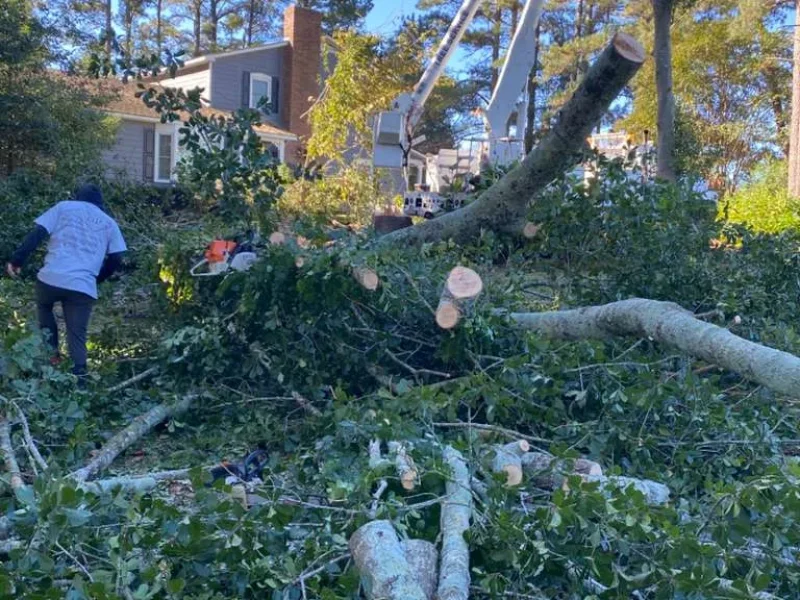
Trees add beauty and value to any property, but when they become unstable or damaged, they can quickly turn into a serious hazard. Identifying early warning signs is essential to prevent property damage, personal injury, or costly emergencies. Knowing when a tree requires immediate removal can protect both your home and your landscape.
Visible Structural Damage
One of the most obvious signs that a tree is dangerous is visible structural damage. Cracks in the trunk, large splits, or leaning at an unusual angle often indicate internal weakness. Trees that suddenly start leaning after storms or heavy winds are especially at risk of falling.
- Deep cracks or splits in the trunk weaken the tree’s stability
- A sudden lean may signal root failure or soil movement
- Hollow areas inside the trunk reduce overall strength
Ignoring these signs can result in unexpected tree collapse, especially during extreme weather conditions.
Dead or Falling Branches
Dead branches are more than just an aesthetic issue—they are a safety concern. Weak or decaying limbs can fall without warning, posing a risk to people, vehicles, and nearby structures.
- Large dead branches can break and fall at any time
- Frequent branch drop indicates internal decay
- Bare or leafless sections may signal that parts of the tree are dying
Regular inspections help identify these issues early, but when damage is extensive, removal may be the safest option.
Root Damage and Instability
The root system is what keeps a tree firmly anchored. When roots are damaged, the entire tree becomes unstable, even if it appears healthy from the outside. Construction work, soil erosion, or excessive moisture can weaken the roots over time.
- Exposed or damaged roots reduce the tree’s ability to stay upright
- Soil lifting around the base indicates shifting roots
- Fungus growth near the base can signal root rot
A compromised root system often means the tree cannot be saved and should be removed immediately.
When Immediate Action Is Required
Certain situations require urgent attention, as they significantly increase the risk of tree failure. Acting quickly can prevent severe damage and ensure safety.
- Trees leaning toward homes, driveways, or power lines
- Visible signs of decay combined with structural weakness
- Trees damaged after storms or extreme weather
In these cases, delaying removal can lead to dangerous consequences and higher repair costs.
Final Thoughts
Recognizing the signs of a dangerous tree is crucial for maintaining a safe and secure property. Structural damage, dead branches, and root instability should never be ignored, as they can quickly escalate into serious hazards. Professional evaluation ensures the right decision is made, whether it’s maintenance or immediate removal.